Finding a TMJ Specialist Near You: Tips and Options for Diagnosis and Treatment
TMJ, or temporomandibular joint disorder, is a condition that affects the jaw and the muscles that control it. Symptoms include pain and tenderness in the jaw, difficulty chewing, and a locked jaw. Treatment for TMJ can include home remedies such as eating soft foods and reducing stress, medication such as nonsteroidal anti-inflammatory drugs and corticosteroids, and therapies such as physical therapy and acupuncture. In rare cases, surgery may be necessary. To prevent TMJ, it is important to reduce stress and consult a doctor or dentist if you grind your teeth. Finding a TMJ specialist can be difficult, but a general dentist or an ear, nose, and throat doctor may be able to help.

The signs and symptoms of TMJ disorders can include:

- Pain or tenderness in the jaw
- Pain in one or both temporomandibular joints
- Earache or discomfort in the ears
- Difficulty chewing or pain when chewing
- Aching facial pain
- Difficulty opening or closing the mouth (jaw locked)
- Clicking or discomfort when chewing or opening the mouth
- It's worth noting that in some cases, jaw clicking may not be accompanied by pain or limitations, and treatment may not be necessary.
What is the treatment for TMJ problems?
Treatment for TMJ problems can vary depending on the cause of the disorder. Generally, doctors recommend starting with at-home treatments before considering more complex therapies.
At-home treatments:
- Eating soft foods
- Applying ice to decrease swelling
- Reducing jaw movements
- Avoiding hard foods and chewing gum
- Reducing stress
- Practicing jaw-stretching exercises to improve jaw movement
Medication:
- Nonsteroidal anti-inflammatory drugs (NSAIDs)
- Corticosteroids
- Muscle relaxers
- Antidepressants
- Local anesthetics
Therapies:
- Heating therapy
- Cool therapy
- Acupuncture
- Tissue mobilization
- Resistance exercises
- Stretches
- Talking therapy or stress-management exercises
Surgery or other procedures:
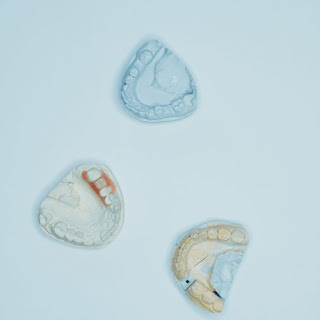
- Corrective dentistry for better alignment and improved bite
- Arthroscopy to remove debris and fluid from the joint
- Surgery to repair the joint
It is worth noting that some treatment methods may exacerbate the symptoms, so it's important to discuss the possible risks with your doctor.

Finding a TMJ Specialist Near me
Finding a TMJ specialist can be challenging. However, there are a few options to consider:
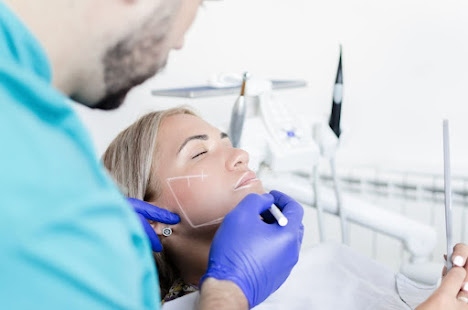
- General dentist: A general dentist may be able to diagnose and treat TMJ disorders. Many general dentists have experience with jaw problems and can provide treatments such as night guards for teeth grinding.
- Oral and maxillofacial surgeon: These specialists have advanced training in jaw and facial surgery and can provide a range of treatments for TMJ disorders, including surgery.
- Orthodontist: Orthodontists specialize in the alignment of the teeth and jaw and can provide treatments such as braces to correct bite problems that may be contributing to TMJ disorders.
- Ear, nose, and throat (ENT) doctor: ENT doctors may also be able to diagnose and treat TMJ disorders, particularly if the problem is related to the ears.
- Physical therapist: Physical therapist who are specialized in jaw and facial therapy can help with jaw pain and dysfunction.
You can search for a "TMJ specialist near me" on the internet and check the reviews and qualifications of the doctors before making an appointment. If you are in Sterling, VA you can also book an appointment at Top Nova Orthodontics. It is also important to consult with your primary care physician and dentist to see if they have any recommendations.
Comments
Post a Comment